
Comparing Epoxy and Concrete Overlays: Which is Right for Your Space?
When it comes to upgrading your flooring, two popular options are epoxy and concrete overlays. Both offer unique benefits and aesthetic appeal, but choosing the right one for your space depends on various factors. This guide will help you understand the differences and determine which option suits your needs best.
Understanding Epoxy Coatings
Epoxy coatings are a popular choice for many homeowners and businesses due to their durability and glossy finish. Made from a combination of resin and hardener, epoxy creates a tough, seamless surface that can withstand heavy traffic and resist stains.
Advantages of Epoxy:
- Durability: Epoxy coatings are highly resistant to wear and tear, making them ideal for high-traffic areas.
- Aesthetic Variety: Available in a wide range of colors and finishes, epoxy can be customized to match any design theme.
- Low Maintenance: The smooth, non-porous surface makes cleaning easy.
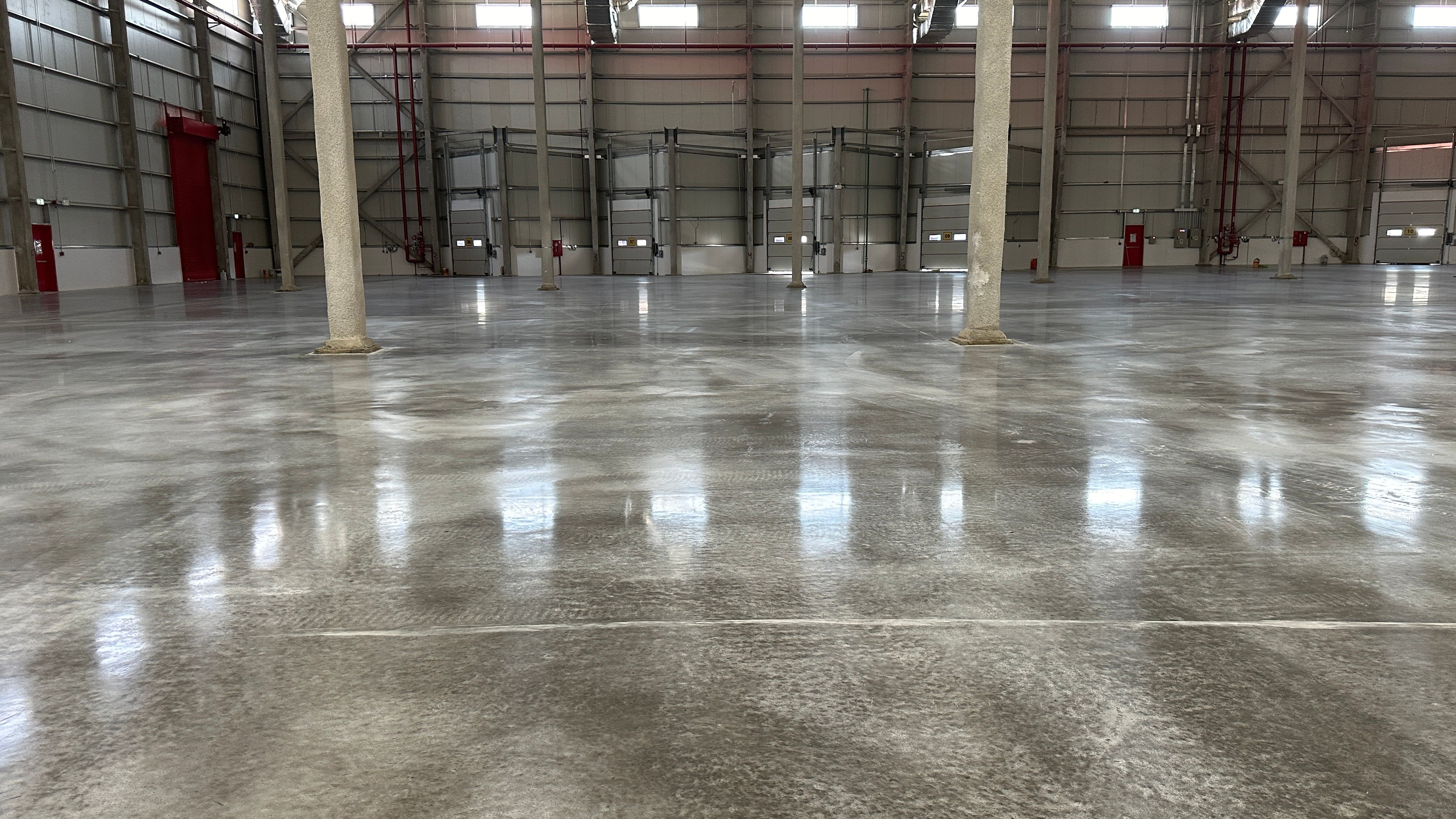
When to Choose Epoxy
Epoxy is best suited for garages, warehouses, and industrial spaces where durability and resistance to chemicals and stains are essential. It's also a great option for modern interiors that require a sleek, polished look.
Exploring Concrete Overlays
Concrete overlays provide a versatile and affordable way to revamp existing concrete surfaces. They involve applying a thin layer of cement-based material over the current floor, allowing for a variety of textures and finishes.
Advantages of Concrete Overlays:
- Versatility: Concrete overlays can mimic the look of stone, brick, or wood, offering a wide range of design possibilities.
- Cost-Effective: They provide a high-end look without the high-end price tag.
- Eco-Friendly: Often made from recycled materials, they are a sustainable choice.
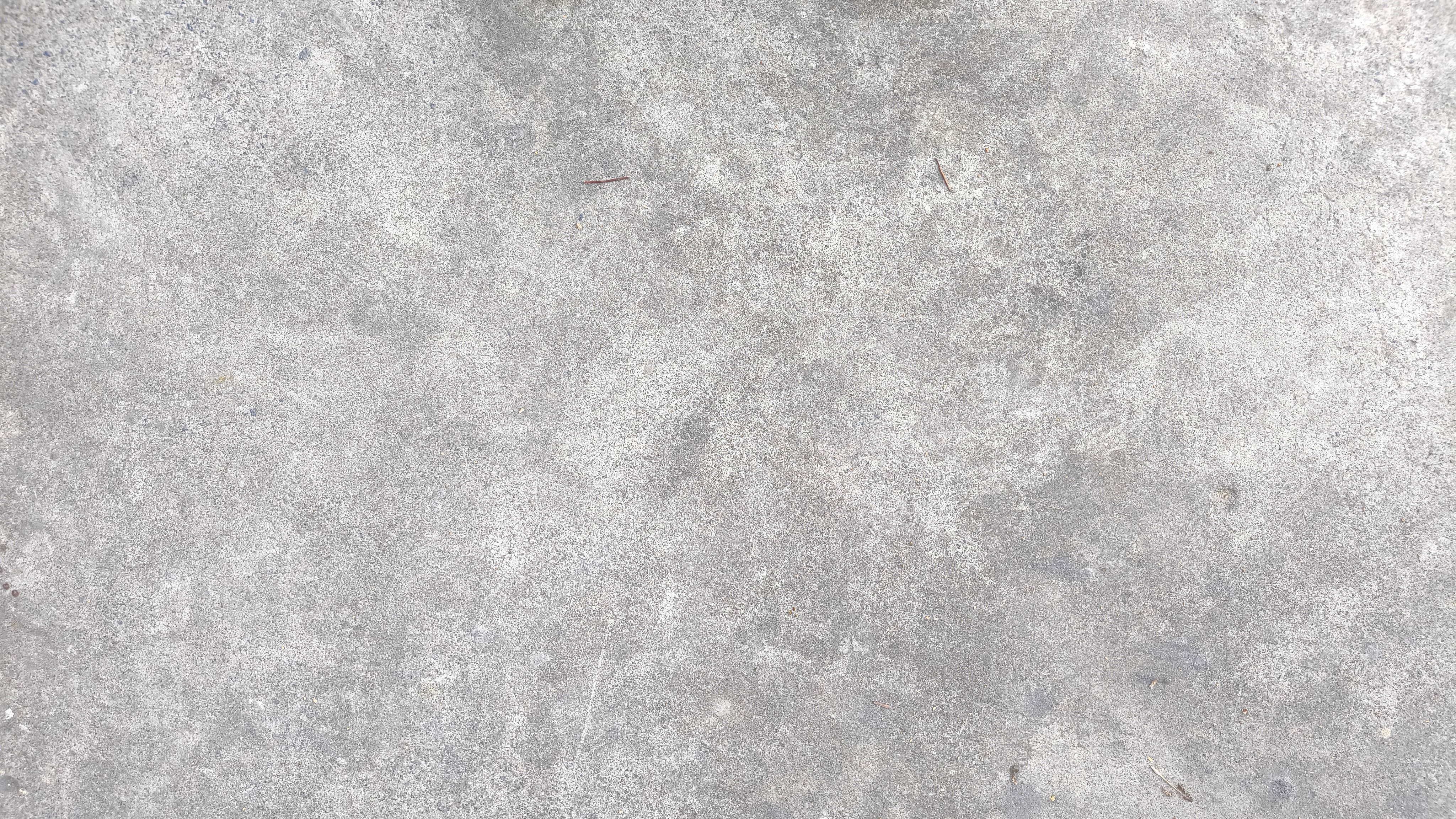
When to Choose Concrete Overlays
Concrete overlays are ideal for patios, driveways, and other outdoor areas where you want a decorative touch without compromising on durability. They also work well in interiors aiming for a rustic or industrial aesthetic.
Comparing Installation and Maintenance
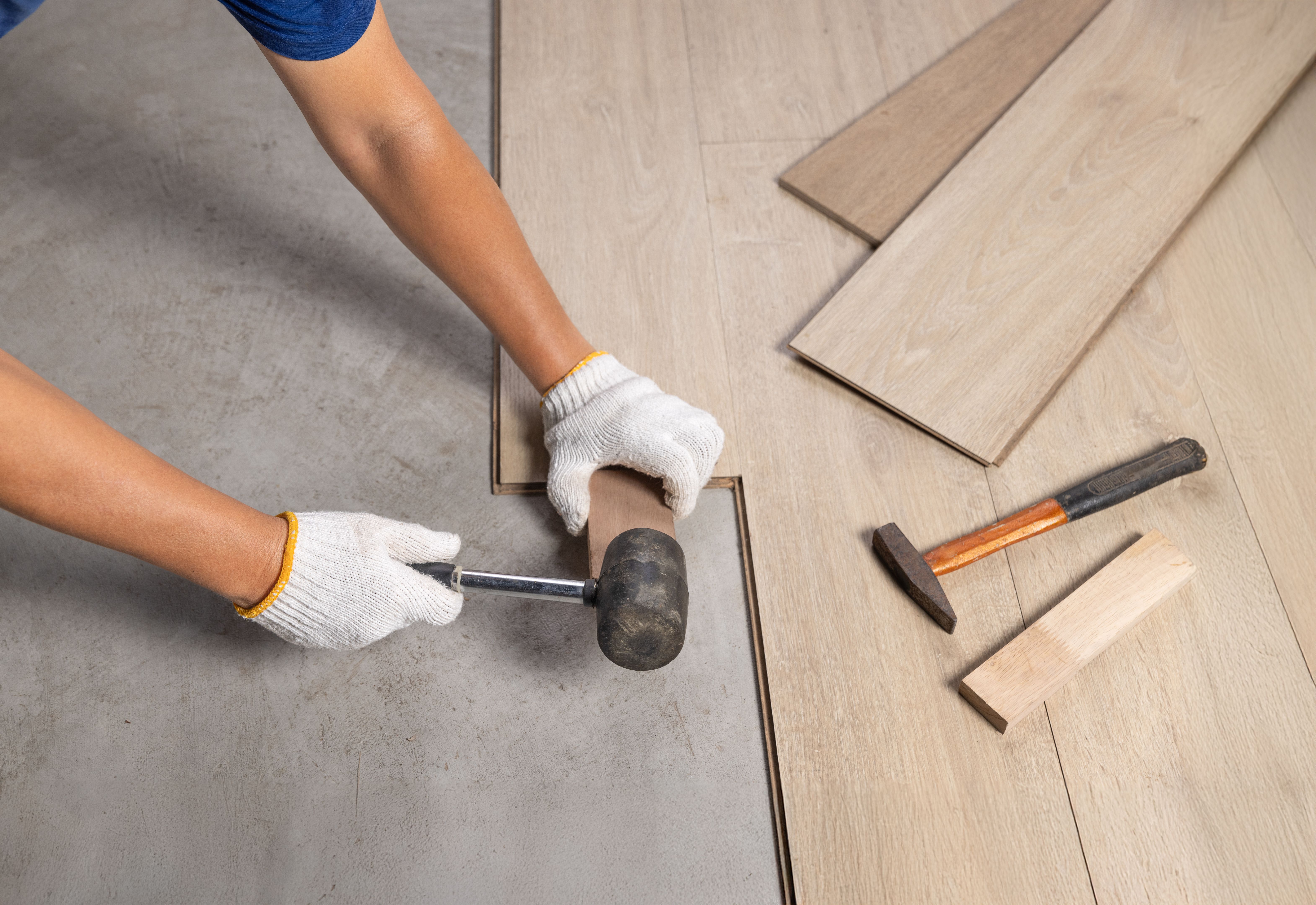
Both epoxy and concrete overlays require professional installation to ensure longevity and performance. Epoxy installation involves meticulous surface preparation, while concrete overlays require skilled application techniques to achieve the desired texture and finish.
Maintenance-wise, epoxy floors need regular cleaning to maintain their shine, while concrete overlays might require occasional resealing to protect against wear.
Conclusion: Making Your Choice
Ultimately, the choice between epoxy and concrete overlays depends on your specific needs, budget, and design preferences. If you prioritize durability and a modern look, epoxy is the way to go. For versatility and a more natural appearance, concrete overlays are an excellent choice.
Consider the unique requirements of your space, and don't hesitate to consult with a flooring professional to make the most informed decision. Both options offer transformative potential, turning any space into a stunning reflection of your style.