
Case Study: Transforming Springfield's Historic Homes with Epoxy
Introduction to Epoxy Transformation
Springfield's historic homes have long been admired for their architectural beauty and historical significance. However, as these homes age, maintaining their original charm becomes a challenge. Enter epoxy—a versatile and durable material that has revolutionized the restoration and transformation of these cherished properties.
The Challenge of Preserving History
Preserving the integrity of historic homes requires a delicate balance between maintaining original features and integrating modern conveniences. Traditional restoration methods often fall short in providing the durability needed for everyday use. Homeowners and preservationists alike have been searching for solutions that can bridge this gap effectively.
This is where epoxy shines, offering a unique blend of flexibility, strength, and aesthetic appeal. By using epoxy, homeowners can maintain the historical essence of their homes while ensuring they remain functional and resilient.
Why Epoxy?
Epoxy is not just a temporary fix; it offers a long-lasting solution that protects and enhances the original structure. Its benefits include:
- Durability: Epoxy surfaces withstand heavy foot traffic and resist wear and tear.
- Versatility: Available in various colors and finishes, epoxy can mimic the look of traditional materials.
- Moisture Resistance: It prevents water damage, which is crucial for older homes.
Transforming Springfield's Homes
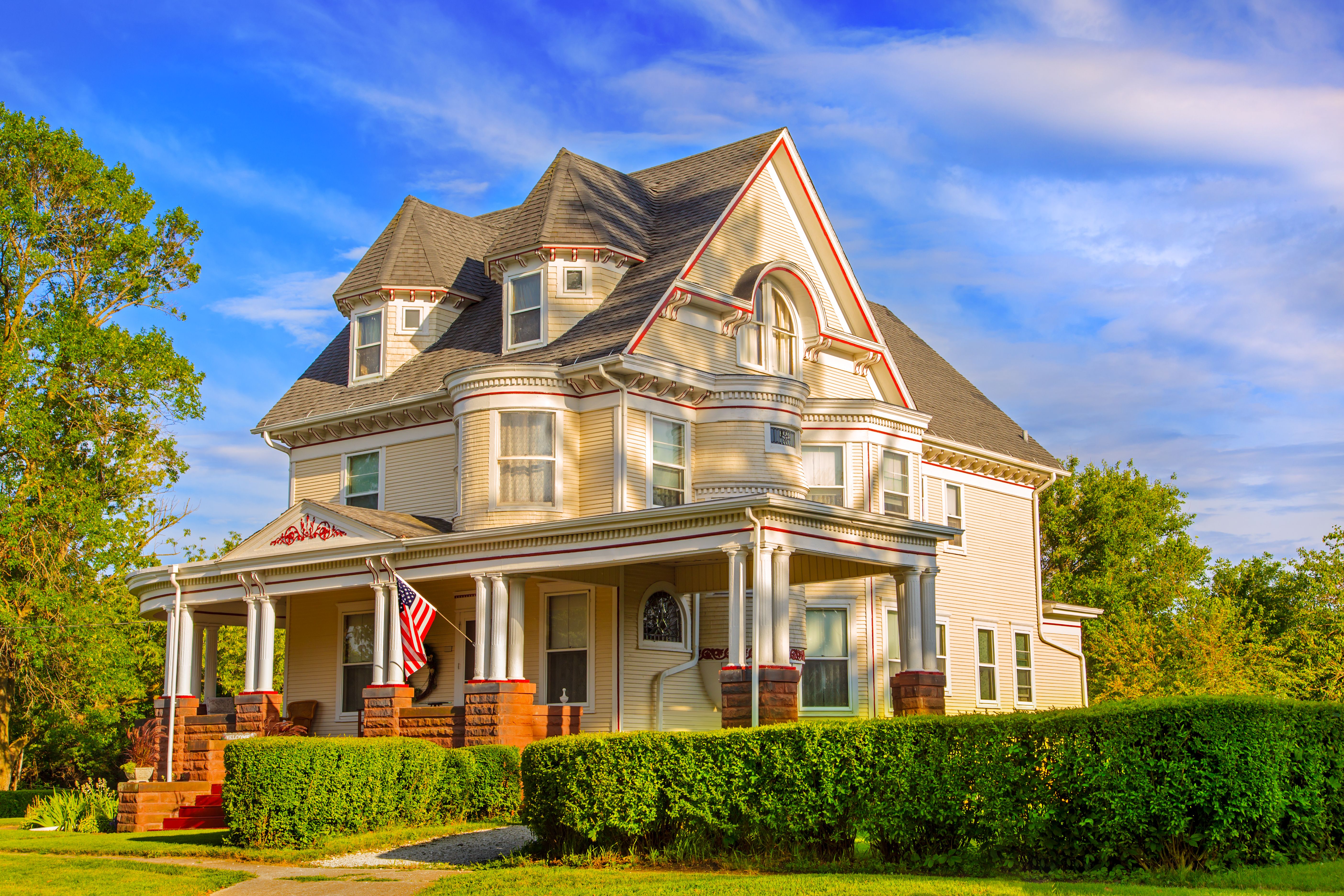
Several historic homes in Springfield have undergone remarkable transformations with the help of epoxy. One notable example is the restoration of a Victorian-era mansion, where epoxy was used to restore the grand staircase and flooring. The result was a seamless blend of historical elegance and modern durability.
These transformations not only preserve the architectural legacy of Springfield but also enhance the value and appeal of these properties. Homeowners can enjoy the beauty of their historic homes without the constant worry of deterioration.
Steps in the Epoxy Restoration Process
The process of transforming historic homes with epoxy involves several key steps:
- Assessment: A thorough inspection of the home to identify areas needing restoration.
- Preparation: Cleaning and preparing surfaces to ensure optimal epoxy adhesion.
- Application: Carefully applying epoxy to achieve the desired finish and protection.
- Finishing: Adding any final touches to enhance the aesthetic appeal.
The Impact on Springfield's Community
The adoption of epoxy in restoring historic homes has had a positive impact on Springfield's community. It has not only preserved the town's architectural heritage but also boosted local pride. Residents and visitors alike appreciate the seamless blend of the old and the new, creating a unique and inviting atmosphere.
Moreover, these projects have stimulated local economies by creating jobs and attracting tourists interested in exploring Springfield's rich history.
Conclusion
The use of epoxy in transforming Springfield's historic homes demonstrates the power of innovation in preservation. By embracing modern materials and techniques, we can honor the past while paving the way for a vibrant future. Springfield's homes stand as a testament to what can be achieved when history and modernity come together in harmony.